
Seasonal Affective Disorder: looking after your mental health in the winter
Published: Wednesday, 14 January 2026
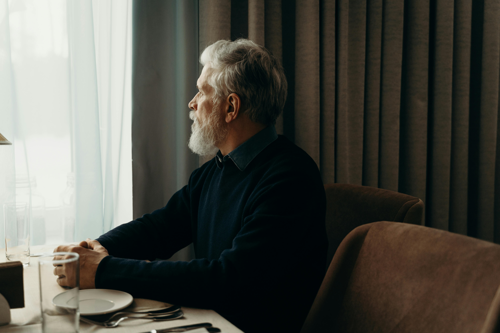
Many people notice a dip in their mood or energy levels in the winter months.
For some, these changes are more than just a case of the ‘winter blues’ and may be linked to something called Seasonal Affective Disorder (SAD).
Older people can be particularly affected, especially if winter brings increased isolation, health challenges, or reduced independence.
Understanding SAD and knowing how to protect your mental health can make a real difference to your wellbeing during the winter.
In this blog we take a look at what symptoms you should look out for that might suggest you're experiencing SAD, positive things you can do to reduce these and who to contact if you're struggling.
What Is Seasonal Affective Disorder?
Seasonal Affective Disorder is a type of depression that happens in the winter and goes away in the summer. It’s thought to be linked to reduced daylight, which can affect the body’s internal clock, serotonin levels (which influence mood), and melatonin (which affects sleep).
Common symptoms include:
- Low mood
- Loss of interest in activities you usually enjoy
- Low energy or increased tiredness
- Sleeping more than usual
- Changes in appetite, often craving carbohydrates
- Difficulty concentrating
- Withdrawing from social contact
In older people, SAD can sometimes be mistaken for general ageing, physical illness, or loneliness, which means it may go unrecognised and untreated.
Why older people may be more vulnerable
There are several reasons why SAD can be particularly challenging later in life. These include:
- Reduced mobility may limit time spent outdoors and exposure to daylight
- Living alone or bereavement can increase feelings of loneliness during winter
- Health conditions and chronic pain may worsen low mood
- Retirement can reduce daily structure and routine
- Cold weather may discourage social activities and exercise
The good news is that there are many simple, practical steps you can take to protect your mental health:
Make the most of daylight
Natural light is one of the most effective ways to ease SAD symptoms. If you can, try to get outside every day, even if only for a short walk. Sitting near windows when you're inside with curtains and blinds open so that your body gets some natural light can also really help.
Keep to a gentle routine
Having a daily routine can provide structure and purpose and can really help during winter when the days may feel long. Things like waking up and going to bed at a regular time, doing one or two small activities each day or having something to look forward to each day – even if it’s something simple like watching your favourite TV programme can all help.
Stay connected
Feeling isolated or lonely can worsen a low mood. Keep in touch with friends or family by phone, video call, or in person if you can. Or, if you’re able, look at joining local groups, taking part in coffee mornings or visiting your local community centre to meet others.
Do some gentle physical activity if you can
Physical activity is proven to boost mood and energy levels. Small activities like short walks, stretching, chair exercises can all help. Just ten minutes of movement a day can help – but always choose activities that you feel safe doing and that are suitable for you.
Eat regularly and healthily and keep warm
Nutrition and warmth play an important role in mental wellbeing. Aim to eat regular meals with fruit, vegetables and protein where possible. Warm meals and hot drinks can be comforting and try and keep your body warm.
If heating costs are an issue, there are a number of Warm Hubs that are available in Nottingham or in other areas, if you live elsewhere.
Be kind to yourself
Winter can be hard both physically and emotionally. Having a low mood is not a reflection on any personal failing, it’s a real human response to challenging times. Knowing that it’s ok to have difficult days is all about being kind to yourself.
Help is available
If low mood lasts most days for more than a couple of weeks, or begins to interfere with your daily life, it’s important to seek support. You don’t have to cope alone
Speak to your GP. They can also give you information about local support services you might find useful.
There’s also national and local charities that can offer information and support. And talk-to and seek support from friends, family or carers.
There’s lots of useful information on the NHS website.
And Mind and Rethink Mental Illness also has excellent advice.
How Nottingham on Call can help
Whether you’re suffering from SAD, or not, winter can be a difficult time. In rainy and icy conditions, falls can be a greater concern – especially if you’re older.
We have a range of equipment if you feel that you’re at risk of a fall, and we offer a care alarm that you can use if you need it whether you’re at home or out and about.
Get in touch today by completing our short online contact form and one of our team will be in touch to discuss your needs and what we can offer that might help. Or you can call us on 0115 746 9101.